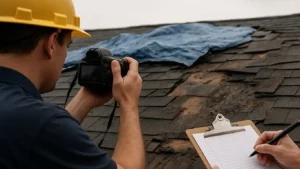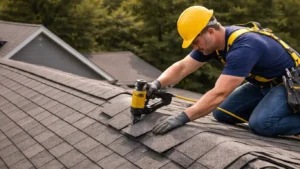
Roof replacement is one of the most physically demanding and potentially hazardous types of construction work. Roofers operate at heights, handle heavy materials, and use specialized equipment throughout the installation process.
Because of these risks, legitimate roofing companies carry multiple types of insurance coverage designed to protect both their workers and the homeowner.
If a contractor is uninsured or underinsured, you could be exposed to significant liability if something goes wrong during the project.
Proper insurance coverage ensures that:
- Workers injured on your property are covered
- Accidental damage to your home or neighbouring properties is paid for
- Unexpected incidents do not become the homeowner’s financial responsibility
Before hiring any roofing contractor in Halifax or elsewhere in Nova Scotia, it’s important to understand what types of insurance they should carry and why those policies exist.
General Liability Insurance
General liability insurance is the most fundamental coverage a roofing contractor should carry. This policy protects homeowners if the contractor accidentally damages property during the project.
Examples of situations covered by general liability insurance include:
- Shingles or debris damaging a neighbour’s vehicle
- A ladder falling and breaking a window
- Accidental structural damage during roof removal
- Water damage caused during the installation process
Roof replacements involve removing existing materials and working across large portions of the home. Even highly experienced crews can occasionally cause unintended damage during construction.
General liability insurance ensures those costs are handled by the contractor’s insurer rather than the homeowner.
In Canada, reputable roofing companies often carry $2 million to $5 million in liability coverage.
Workers’ Compensation Coverage
Workers’ compensation insurance protects both the roofing crew and the homeowner if a worker is injured on the job.
Roofing is consistently ranked among the most dangerous trades due to fall risks and heavy lifting. Even with strict safety protocols, injuries can occur.
If a contractor does not carry workers’ compensation coverage and a worker is injured on your property, you could potentially face legal or financial exposure.
Workers’ compensation coverage typically pays for:
- Medical treatment for injured workers
- Lost wages during recovery
- Rehabilitation costs
- Disability benefits if needed
In Nova Scotia, roofing contractors that employ workers are typically required to be registered with the Workers’ Compensation Board of Nova Scotia (WCB Nova Scotia).
Before hiring a contractor, homeowners can request proof of WCB clearance to confirm the company is in good standing.
Commercial Vehicle Insurance
Roofing companies rely heavily on trucks, trailers, and material delivery vehicles throughout the installation process.
Commercial vehicle insurance protects against accidents involving company vehicles while transporting workers, tools, or roofing materials.
While homeowners are not directly responsible for vehicle-related incidents, this insurance demonstrates that the contractor operates professionally and maintains proper business coverage.
A company operating multiple trucks without commercial insurance may indicate a lack of professional business practices.
Contractor Bonding
Some roofing companies are also bonded, which provides an additional layer of protection for homeowners.
A contractor bond is a financial guarantee that ensures the contractor will complete the work according to the contract terms.
If the contractor fails to complete the job or does not meet agreed-upon standards, the bonding company may compensate the homeowner or cover the cost of resolving the issue.
Bonding is more common on larger commercial roofing projects but can also appear with residential contractors who complete work for government or institutional clients.
While not always required for residential roofing, bonding can be another sign of a highly established company.
Manufacturer Certification Requirements
Many roofing manufacturers require contractors to carry specific insurance levels in order to install certified roofing systems.
For example, contractors installing premium shingle systems or offering extended manufacturer warranties often must provide proof of:
- Minimum liability insurance coverage
- Workers’ compensation registration
- Proper business licensing
- Safety certification and training
This is one reason manufacturer-certified roofing contractors often have stricter operational standards than unverified installers.
If a contractor advertises manufacturer certifications, insurance verification is typically part of that approval process.
How to Verify a Roofing Contractor’s Insurance
Any reputable roofing company should be comfortable providing proof of insurance before starting a project.
Homeowners should request the following documentation:
- A certificate of liability insurance
- Workers’ compensation clearance or registration
- The name of the insurer and policy coverage limits
Many contractors will provide a certificate of insurance directly from their insurance provider, which confirms the policy is active.
If a contractor hesitates to provide proof of insurance, that can be a warning sign that coverage may be missing or expired.
Red Flags to Watch For
While most professional roofing companies carry proper insurance, there are still contractors who operate without adequate coverage.
Some warning signs include:
- Refusing to provide proof of insurance
- Claiming insurance is unnecessary
- Only showing expired insurance documents
- Operating without workers’ compensation registration
Hiring an uninsured contractor may reduce the upfront cost of a roofing project, but it significantly increases the financial risk if something goes wrong.
For a project as large as roof replacement, proper insurance coverage should always be considered a minimum requirement.
What should homeowner’s do?
A legitimate roofing contractor should carry multiple types of insurance to protect both their business and the homeowner.
At minimum, you should expect a roofing company to have:
- General liability insurance
- Workers’ compensation coverage
- Commercial vehicle insurance
Some companies may also carry contractor bonds or additional certifications depending on the types of projects they perform.
Before signing a roofing contract, always ask for proof of insurance and verify that the coverage is active.
This simple step can protect you from significant financial risk and ensure your roofing project is handled by a professional, properly insured contractor.