Homes located near the coast face roofing challenges that are very different from those found inland. In coastal regions like the Halifax Regional Municipality and surrounding areas of Nova Scotia, roofs must withstand strong winds, salt-laden air, heavy precipitation, and frequent temperature changes.
These environmental conditions can accelerate roof wear and shorten the lifespan of some roofing materials. Choosing the right roofing system—and maintaining it properly—is especially important for homes located near the ocean.
Understanding how wind, salt, and moisture affect roofing materials can help homeowners make better decisions when repairing or replacing a roof in coastal climates.
Why Coastal Roofs Experience More Wear
Coastal environments expose roofs to multiple stress factors at the same time. Ocean air contains salt particles that can gradually affect building materials, while coastal storms often bring strong winds and heavy rain.
In Atlantic Canada, roofs must also handle freeze–thaw cycles during winter and significant snowfall.
These combined factors mean roofs near the ocean often experience faster material deterioration than homes located farther inland.
Wind Exposure in Coastal Areas
One of the biggest roofing challenges in coastal areas is wind. Nova Scotia regularly experiences strong coastal storms, and homes near open water may be exposed to even higher wind speeds.
High winds can place significant stress on roofing materials and fasteners.
Common Wind-Related Roofing Issues
- Shingles lifting or blowing off
- Damaged flashing around chimneys and vents
- Ridge caps loosening during storms
- Water infiltration caused by wind-driven rain
Proper installation and high wind-rated materials are especially important for homes located in exposed coastal neighborhoods.
Salt Air and Material Corrosion
Salt in ocean air may seem harmless, but over time it can gradually affect certain building materials.
Salt particles carried by coastal winds can accumulate on roofing components such as flashing, fasteners, and metal fixtures.
When moisture is present, salt can accelerate corrosion and deterioration.
Roof Components Most Affected by Salt Air
- Metal flashing
- Roof fasteners and nails
- Metal roof panels
- Vent covers and roof accessories
Using corrosion-resistant materials such as galvanized or coated metal components can help improve durability in coastal environments.
Moisture and Heavy Rain
Coastal climates often experience higher levels of humidity and frequent rainfall. In Nova Scotia, storms moving in from the Atlantic can bring intense rain and prolonged wet conditions.
Excess moisture increases the importance of proper roof drainage and ventilation.
Moisture-Related Roofing Problems
- Roof leaks caused by wind-driven rain
- Wood rot in roof decking
- Mold or mildew in attic spaces
- Ice dam formation during winter
Ensuring proper attic ventilation and maintaining gutters and drainage systems can help reduce moisture-related problems.
Choosing Roofing Materials for Coastal Homes
While many roofing materials can perform well in coastal climates, some options are better suited for high wind and moisture exposure.
Architectural Asphalt Shingles
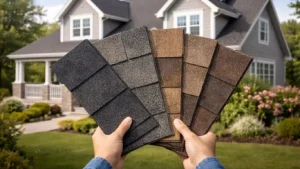
Architectural shingles are commonly used on homes throughout Nova Scotia. Their thicker laminated construction provides improved durability and wind resistance compared to traditional 3-tab shingles.
Many modern architectural shingles are also rated for higher wind speeds when installed correctly.
Metal Roofing
Metal roofing systems are often considered a durable option for coastal homes. Metal panels can withstand strong winds and shed snow efficiently during winter.
However, proper coatings and corrosion-resistant materials are important when installing metal roofs near saltwater environments.
Proper Underlayment and Flashing
Beyond the surface material, underlayment and flashing play a crucial role in protecting coastal roofs. These layers help prevent water intrusion when wind-driven rain reaches beneath the outer roofing material.
High-quality underlayment systems can provide an additional layer of protection during severe weather.
Roof Design Matters Too
The design and structure of a roof can also influence how well it performs in coastal environments.
Roof Pitch
Steeper roof pitches allow water and snow to drain more quickly, reducing the chance of standing moisture.
Secure Fastening Systems
Proper fastening patterns and installation techniques help ensure roofing materials remain secure during high wind events.
Ventilation Systems
Balanced attic ventilation helps regulate temperature and moisture levels within the roof structure. This is especially important in humid coastal climates.
Routine Maintenance for Coastal Roofs
Because coastal roofs experience greater environmental stress, regular inspection and maintenance can help extend the lifespan of roofing materials.
- Inspect the roof after major storms and hurricanes
- Keep gutters and downspouts clear
- Check flashing and ridge caps periodically
- Monitor attic ventilation and insulation
- Check for ice dams and pooling water
Addressing small issues early can prevent more serious damage over time.
What does this all mean?
Coastal homes in areas like Halifax, Dartmouth, Bedford, and surrounding Nova Scotia communities face unique roofing challenges. Wind exposure, salt air, and moisture all contribute to increased wear on roofing materials.
Choosing durable materials, ensuring proper installation, and maintaining the roof regularly can help homeowners protect their homes from the demanding conditions of coastal climates.