When most homeowners think about roofing materials, they usually picture shingles. However, shingles are only one part of a complete roofing system. Beneath the visible outer layer of shingles lies an important protective barrier known as roof underlayment.
Roof underlayment is installed between the roof decking and the shingles. While it is rarely seen once the roof is finished, it plays a critical role in protecting the home from water infiltration.
Understanding how underlayment works can help homeowners better understand the construction of their roof and why proper installation matters.
What Is Roof Underlayment?
Roof underlayment is a protective layer installed directly over the roof decking before shingles or other roofing materials are applied. It acts as a secondary water barrier, providing an additional layer of protection if wind-driven rain or melting snow makes its way beneath the shingles.
This material covers the entire roof surface and helps prevent moisture from reaching the wooden decking below.
Without underlayment, even minor water intrusion could quickly lead to leaks and structural damage.
Why Underlayment Is Important
Although shingles are designed to shed water, they are not completely waterproof. Underlayment acts as the backup protection system that helps keep the roof structure dry.
Several factors can allow moisture to bypass the outer roofing layer, including strong winds, heavy rain, ice dams, or damaged shingles.
Underlayment provides a safety layer that reduces the chance of water reaching the roof decking.
Types of Roof Underlayment
There are several types of roofing underlayment used in residential construction. Each material offers different levels of durability and water resistance.
Asphalt-Saturated Felt
Traditional felt underlayment has been used in roofing for decades. It is made from a paper or fiberglass base saturated with asphalt to create a water-resistant barrier.
While still used in some projects, felt underlayment has largely been replaced by newer synthetic materials.
Synthetic Underlayment
Synthetic underlayment is now widely used in modern roofing systems. It is made from durable polymer materials that provide improved tear resistance and better protection against moisture.
Many contractors prefer synthetic underlayment because it is lighter, stronger, and easier to install than traditional felt.
Ice and Water Shield
Ice and water shield is a specialized self-adhering membrane used in areas that are especially vulnerable to water intrusion.
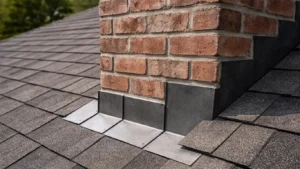
This material is commonly installed along roof edges, valleys, and around roof penetrations such as chimneys or skylights.
In colder climates, it plays an important role in protecting roofs from ice dam damage.
Where Underlayment Is Installed
Underlayment is typically installed across the entire roof surface. However, some areas of the roof require additional protection.
These areas include:
- Roof valleys
- Eaves and roof edges
- Around chimneys and skylights
- Roof penetrations such as plumbing vents
- Low-slope roof sections
These locations are more prone to water accumulation and require extra waterproofing protection.
Underlayment and Ice Dams
In colder climates, ice dams are one of the biggest threats to roofing systems. Ice dams occur when snow melts on the upper portion of a roof and then refreezes near the eaves.
This creates a barrier that prevents melting water from draining properly.
When water backs up behind the ice, it can sometimes work its way beneath shingles.
Ice and water shield underlayment is designed to prevent this water from penetrating the roof structure.
Underlayment During Roof Installation
During a roof installation or replacement, underlayment is installed after the roof decking has been inspected and prepared.
The roofing crew rolls out the underlayment material across the decking and secures it using nails or fasteners. Sheets are overlapped to ensure proper water shedding and coverage.
Once the underlayment is installed, additional roofing components such as flashing, starter shingles, and the main shingle layers are installed on top.
What Happens If Underlayment Fails?
If underlayment becomes damaged or improperly installed, water may eventually reach the roof decking.
This can lead to several problems including:
- Roof leaks
- Wood rot in the decking
- Mold growth in attic spaces
- Deterioration of roofing materials
For this reason, proper installation and material quality are critical for long-term roof performance.
Underlayment and Roof Lifespan
Although homeowners rarely see the underlayment once a roof is installed, it plays an important role in the overall durability of the roofing system.
High-quality underlayment materials help extend the life of the roof by reducing the risk of moisture damage and protecting the underlying structure.
When combined with proper ventilation and professional installation, underlayment contributes significantly to long-term roof performance.