A roofing system does more than keep rain out of a home. It also manages airflow and temperature within the attic space. Proper roof and attic ventilation plays a major role in protecting roofing materials, preventing moisture problems, and improving the overall durability of the home.
Although ventilation components are often small and easy to overlook, they are essential for maintaining a healthy roofing system.
Understanding how roof ventilation works can help homeowners recognize its importance during roof installations, repairs, and inspections.
What Is Roof Ventilation?
Roof ventilation is the system of intake and exhaust vents that allow air to move through the attic space. This airflow helps regulate temperature and remove moisture from the attic.
Without proper ventilation, heat and humidity can build up beneath the roof. Over time, this can damage roofing materials and reduce the lifespan of the roof.
A well-designed ventilation system allows cooler outside air to enter the attic while warm, moist air exits through higher roof vents.
Why Attic Ventilation Matters
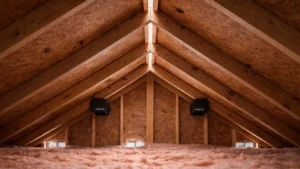
Attics naturally collect heat and moisture from the home below. Everyday activities such as cooking, showering, and running appliances generate humidity that can rise into the attic space.
Proper ventilation allows this moisture to escape before it causes damage.
Without adequate airflow, several problems may develop:
- Moisture buildup and condensation
- Mold growth in attic spaces
- Premature deterioration of roofing materials
- Reduced insulation performance
- Higher indoor temperatures during summer
For these reasons, ventilation is a key part of modern roofing systems.
How Roof Ventilation Works
Roof ventilation relies on the natural movement of air. Warm air rises, which allows it to escape through vents located near the top of the roof.
At the same time, cooler air enters the attic through vents located along the lower edges of the roof.
This continuous airflow cycle removes heat and moisture while helping maintain a balanced attic environment.
Intake Vents
Intake vents are installed along the lower portion of the roof, typically in the soffits beneath the roof overhang.
These vents allow fresh outside air to enter the attic space.
Because intake vents are located at the lowest part of the ventilation system, they provide the starting point for airflow through the attic.
Common Types of Intake Vents
- Soffit vents
- Continuous soffit ventilation systems
- Edge intake vents
Exhaust Vents
Exhaust vents allow warm air to escape from the attic. These vents are usually installed near the highest point of the roof where heat naturally collects.
By allowing hot air to exit the attic, exhaust vents help maintain a steady flow of air through the ventilation system.
Common Types of Exhaust Vents
- Ridge vents
- Roof box vents
- Static roof vents
- Powered attic fans
The Importance of Balanced Ventilation
For ventilation to work properly, the system must be balanced. This means the amount of intake airflow should roughly match the amount of exhaust airflow.
If there are too many exhaust vents without enough intake vents, the system may struggle to pull fresh air into the attic.
Likewise, too much intake without adequate exhaust can trap warm air inside the attic.
Professional roofing contractors design ventilation systems to maintain the proper balance between intake and exhaust airflow.
Ventilation and Roof Lifespan
Proper ventilation helps extend the life of a roofing system by reducing heat buildup and preventing moisture damage.
Excessive attic heat can cause roofing materials to age more quickly. In summer, poorly ventilated attics can reach extremely high temperatures that stress shingles and underlayment.
During winter, trapped moisture can condense on the underside of the roof decking. Over time, this moisture can lead to mold growth or wood rot.
Good ventilation helps prevent both of these problems.
Ventilation and Ice Dams
Ventilation also plays an important role in preventing ice dams.
Ice dams occur when snow on the upper portion of the roof melts due to heat escaping from the attic. The melted water flows downward until it reaches colder roof edges, where it refreezes.
This process creates a ridge of ice that blocks drainage.
Proper attic ventilation helps keep roof temperatures more consistent, reducing the conditions that lead to ice dam formation.
Signs of Poor Attic Ventilation
Several warning signs may indicate ventilation problems within the attic.
- Excessive heat in the attic during summer
- Moisture or frost on the underside of the roof decking
- Mold or mildew in the attic
- Ice dams forming along roof edges
- Premature shingle deterioration
If these signs appear, a roofing professional can evaluate the ventilation system and recommend improvements.