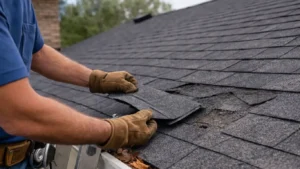
Once a roof replacement is complete, most homeowners are eager to enjoy the peace of mind that comes with a brand-new roofing system. However, before the project is officially wrapped up, a final walkthrough with your roofing contractor is an important step.
This walkthrough allows you to review the completed work, confirm that the installation meets expectations, and ensure nothing was missed during the project.
A professional roofing company should always be willing to walk through the finished work with you and answer any questions you may have about the installation.
This final inspection typically takes only a short amount of time but helps ensure your new roof is performing exactly as it should.
Confirm the Work Scope Was Completed
The first step during a post-installation walkthrough is confirming that the work outlined in your roofing agreement was fully completed.
Your contractor should review the scope of work with you and confirm that all materials and components listed in the estimate were installed.
This might include:
- New asphalt shingles or roofing material
- Underlayment and ice and water protection
- Flashing replacement around chimneys or walls
- Ventilation components such as ridge vents or roof vents
- Drip edge or other edge protection
Comparing the finished roof to the original project description helps ensure everything promised during the quoting stage was delivered during installation.
Inspect the Roof From Ground Level
Homeowners should never feel obligated to climb onto the roof themselves after installation. A visual inspection from ground level is usually enough to confirm that the roof appears consistent and professionally installed.
During the walkthrough, take a moment to step back and look at the roof from different angles around the home.
You should see:
- Straight, evenly aligned shingle rows
- Consistent colour across the roof surface
- Clean lines along the ridges and edges
- No visible exposed nails or loose materials
While small variations can occur with any roofing material, the roof should appear uniform and neatly installed from the ground.
Check Flashing and Roof Details
Flashing is one of the most important components of a roofing system because it helps prevent water from entering vulnerable areas.
During the walkthrough, your contractor should point out key flashing areas such as:
- Chimney flashing
- Wall step flashing
- Skylight flashing
- Vent pipe flashing
- Valleys where roof sections meet
These areas should appear properly sealed and neatly integrated into the roofing system. Flashing is often where leaks occur on older roofs, so proper installation is critical for long-term performance.
Verify Roof Ventilation Components
Modern roofing systems rely on proper ventilation to regulate temperature and moisture inside the attic.
During the walkthrough, the contractor should explain the ventilation system installed on the roof.
This may include:
- Ridge vents along the peak of the roof
- Box vents or roof vents
- Soffit intake vents
Proper airflow helps extend the life of the roofing materials and prevents moisture buildup in the attic.
If ventilation upgrades were part of the project, this is a good time to confirm those components were installed as planned.
Look for Property Cleanup
A professional roofing company should leave your property clean once the installation is finished.
Roof replacement produces a large amount of debris, including old shingles, nails, and packaging materials.
During the walkthrough, check that the contractor has completed a full cleanup of the work area.
This typically includes:
- Removing old roofing materials
- Cleaning debris from around the home
- Using magnetic tools to collect loose nails
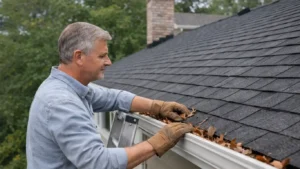
- Ensuring gutters and downspouts are clear of debris
Many contractors perform multiple cleanup passes throughout the project, but the final walkthrough ensures the property is left in good condition.
Review Warranty Information
Before the project concludes, your roofing contractor should review the warranties associated with your new roof.
Most roofing systems include two types of protection:
- Manufacturer material warranties
- Contractor workmanship warranties
The manufacturer warranty covers defects in the roofing materials, while the workmanship warranty covers the quality of the installation.
Your contractor should explain what each warranty covers and provide documentation for your records.
Keeping these documents accessible will make it easier to address any issues that may arise in the future.
Ask Questions About Maintenance
The post-installation walkthrough is also a good opportunity to ask your contractor about ongoing roof maintenance.
While modern roofing systems require relatively little upkeep, a few basic practices can help extend the life of your roof.
Your contractor may recommend:
- Periodic visual inspections from the ground
- Keeping gutters clear of debris
- Trimming tree branches near the roof
- Scheduling professional inspections after major storms
Understanding how to maintain your roof will help protect your investment for many years.