A new roof is designed to protect your home for decades, but like any part of a house, it still benefits from regular maintenance. Even high-quality roofing materials can wear prematurely if small issues are ignored over time.
Routine maintenance helps extend the life of your roof, prevent costly repairs, and ensure your home stays protected through Halifax’s changing weather conditions.
Wind, rain, salt air from the coast, and winter freeze-thaw cycles can all place stress on roofing systems in Nova Scotia. Taking a few simple steps each year helps identify potential problems before they become major issues.
Fortunately, most roof maintenance is straightforward and can often be handled through simple visual checks and seasonal upkeep.
Perform Visual Inspections From the Ground
One of the easiest ways to monitor your roof’s condition is by performing occasional visual inspections from the ground.
Homeowners should avoid climbing onto the roof unless they have proper safety equipment and experience. A ground-level inspection can often reveal early warning signs that something may need attention.
When looking at your roof, watch for:
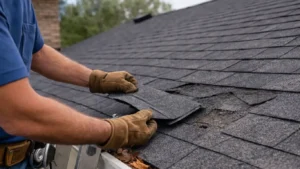
- Missing or lifted shingles
- Shingles that appear curled or cracked
- Dark streaks or algae growth
- Loose flashing around chimneys or vents
- Debris accumulating in roof valleys
Performing a quick inspection a few times each year can help you spot small issues before they develop into leaks or structural damage.
Keep Gutters and Downspouts Clean
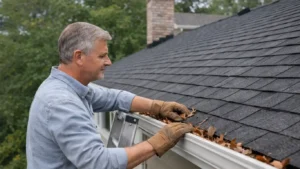
Gutters play an important role in protecting your roofing system. They direct water away from the roof and foundation, preventing moisture from backing up under the shingles.
Leaves, pine needles, and debris can easily clog gutters throughout the year, particularly in neighbourhoods with mature trees.
Blocked gutters can cause water to pool along the roof edge, increasing the risk of leaks or ice dams during the winter.
Homeowners should aim to clean their gutters at least once or twice per year, typically in the spring and fall.
During cleaning, check that:
- Water flows freely through the gutters
- Downspouts are clear of blockages
- Gutter brackets remain securely attached
- No debris has accumulated in roof valleys
Trim Nearby Tree Branches
Tree branches that hang over the roof can gradually cause damage to shingles over time.
Branches rubbing against roofing materials can scrape away protective granules, shortening the life of the shingles. During storms, overhanging branches may also break and impact the roof surface.
Trimming branches back from the roofline helps reduce this risk and also limits the amount of leaves and debris falling onto the roof.
Maintaining a small clearance between nearby trees and the roof helps keep the roofing system in better condition.
Check the Attic for Early Warning Signs
Some roofing problems first appear inside the attic rather than on the roof surface itself.
Homeowners can occasionally check their attic for early signs of moisture or ventilation issues.
Look for:
- Water stains on rafters or insulation
- Signs of mold or mildew
- Damp insulation
- Sunlight entering through the roof deck
These signs may indicate a developing roofing issue that should be inspected by a professional contractor.
Addressing these problems early can help prevent more significant repairs later.
Schedule Professional Inspections
While homeowner inspections are helpful, professional roof inspections provide a more thorough evaluation of the roofing system.
A roofing contractor can safely access the roof and inspect areas that may not be visible from the ground.
Many homeowners schedule professional inspections:
- Every few years as preventative maintenance
- After severe storms
- When preparing to sell their home
Professional inspections can identify minor wear, damaged flashing, or ventilation problems before they develop into leaks.
Watch for Storm Damage
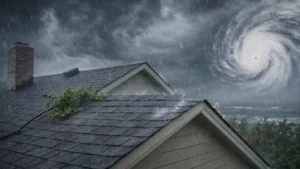
Halifax experiences strong windstorms throughout the year, especially during the fall and winter seasons. After severe weather events, it’s a good idea to check your roof from the ground for visible damage.
Common storm-related roofing issues include:
- Missing shingles
- Lifted or creased shingles
- Debris impact from branches
- Loose flashing around vents or chimneys
If anything appears unusual after a storm, a roofing contractor can perform a professional inspection to determine whether repairs are needed.
Protect Your Roof Investment
A roof replacement is a significant investment in your home. Fortunately, maintaining that investment does not require complicated maintenance routines.
Simple steps like keeping gutters clean, trimming nearby branches, and performing occasional visual inspections can significantly extend the life of your roofing system.
Combined with periodic professional inspections, these practices help ensure your roof continues protecting your home for many years.
With proper care, a well-installed roofing system can provide reliable protection through decades of Halifax’s coastal weather conditions.