
The homeowner's roofing guide
PART 02
Understanding Roofing Materials
Compare roofing materials, understand their lifespan, and learn how to choose the right roof for your home and our coastal climate.
When replacing a roof, one of the first decisions homeowners face is which material to choose. Asphalt shingles remain the most common option, but alternatives like metal roofing and specialty shingles are becoming more popular.
Each roofing material comes with its own advantages, lifespan, cost range, and suitability for different climates. Understanding these differences helps homeowners choose a roof that performs well and protects their home for decades.
This guide explains the most common roofing materials used in residential roofing and how to evaluate which option is best for your home.
The Most Common Roofing Materials
Most homes in Nova Scotia are roofed with asphalt shingles, but homeowners today have more options than ever. Metal roofing and architectural shingles are also popular depending on budget, durability, and aesthetic preferences.
Because roofs in Atlantic Canada must handle wind, rain, snow, and coastal moisture, choosing the right material can make a big difference in long-term performance.
Below are three of the most common roofing materials used on homes across the region.

Asphalt Shingles
The most common roofing material used on homes in Halifax and the HRM. Asphalt shingles are affordable, durable, and available in many styles. Best for most residential homes.
lifespan
20–30 years
COST
$

Metal Roofing
Metal roofs are becoming increasingly popular because of their durability and long lifespan as well as aesthetics. While more costly, it’s the best option for long-term durability and harsh climates
lifespan
40–50+ years
COST
$$$
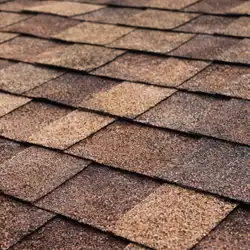
Architectural
Architectural shingles are a premium version of asphalt shingles designed for better durability and appearance. Best for homeowners wanting stronger shingles with improved aesthetics.
lifespan
25–35 years
COST
$$
How to Choose the Right Roofing Material
Several factors influence which roofing material is best for your home. While cost is an important consideration, homeowners should also think about durability, climate, appearance, and long-term maintenance.
Important factors include:
- climate and weather exposure
- expected roof lifespan
- installation cost
- maintenance requirements
- home style and curb appeal
In coastal and high-wind regions, for example, material durability and installation quality become especially important.
Helpful Step-by-step articles
Understanding roofing materials helps homeowners make better long-term decisions when replacing a roof. From asphalt shingles to metal roofing, each option comes with different costs, lifespans, and performance metrics.
These guides break down the most common roofing materials used on homes in the HRM and explain how to compare them when planning your roof replacement.
Roofing Materials for Homes in Halifax & Surrounding Areas
Homes on the East Coast of Nova Scotia face a unique mix of weather conditions, including:
- strong coastal winds
- heavy rain
- snow and freeze-thaw cycles
- salt air exposure
These conditions can shorten the lifespan of some roofing materials if they are not installed properly or if the roof system lacks proper ventilation and moisture protection.
Understanding how roofing materials perform in these environments helps homeowners make better long-term decisions.
Not Sure Which Roofing Material Is Right for Your Home?
Choosing the right roofing material involves more than just picking a style or colour. A professional assessment can help determine which material will perform best for your home’s structure, climate, and long-term durability.