Asphalt shingles are designed to protect your roof from weather, sunlight, and moisture for many years. One of the key features that helps them do this is the layer of small mineral granules that cover the surface of each shingle.
Over time, these granules can begin to wear away. This process, known as granule loss, is a normal part of the aging process for asphalt shingles. However, excessive granule loss can sometimes signal that the roof is deteriorating or approaching the end of its lifespan.
Understanding what shingle granules do and why they wear away can help homeowners better evaluate the condition of their roof.
What Are Shingle Granules?
The rough texture on asphalt shingles comes from a coating of mineral granules embedded into the asphalt surface during manufacturing. These granules serve several important functions within the roofing system.
- Protect shingles from ultraviolet (UV) radiation
- Increase resistance to weather and impact
- Help regulate roof temperature by reflecting sunlight
- Provide the color and appearance of the shingles
Without this protective layer, the asphalt beneath would deteriorate much more quickly when exposed to sunlight and weather.
Why Granule Loss Happens
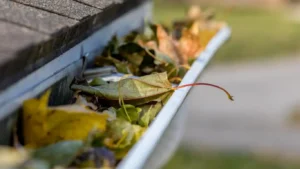
Some granule loss is completely normal. In fact, it’s common for small amounts of granules to appear in gutters or downspouts, especially on newer roofs during the first few years after installation.
However, granule loss can increase over time as the roofing materials age.
Natural Aging
As asphalt shingles age, the bond between the granules and the asphalt layer gradually weakens. Years of exposure to sun, rain, snow, and temperature changes slowly wear away the protective surface.
This natural weathering process is one of the main reasons shingles eventually need to be replaced.
Severe Weather
Storms can accelerate granule loss. Hail, strong winds, and heavy rain can dislodge granules from the surface of the shingles.
Over time, repeated storms may cause sections of the roof to lose more granules than others.
Foot Traffic
Walking on a roof can also cause granules to loosen, particularly on older shingles that have become more brittle.
While roofing professionals are trained to move carefully on shingles, unnecessary foot traffic can contribute to faster wear.
Poor Ventilation
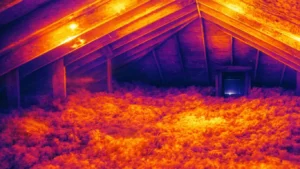
If an attic is poorly ventilated, excessive heat can build up beneath the roof deck. High temperatures can accelerate the aging process of asphalt shingles and weaken the bond holding granules in place.
Proper ventilation helps regulate temperatures and can extend the life of roofing materials.
Signs of Granule Loss
Homeowners may notice several indicators that granule loss is occurring.
- Granules collecting in gutters or downspouts
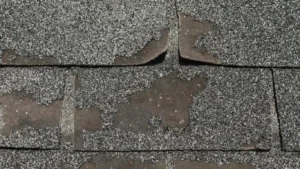
- Shingles appearing smoother or patchy
- Darker spots where asphalt is becoming exposed
- Uneven coloring across sections of the roof
These signs do not always mean the roof needs immediate replacement, but they can indicate that the shingles are aging.
Why Granule Loss Matters
Granules act as the first line of defense for asphalt shingles. When they wear away, the asphalt beneath becomes more vulnerable to damage.
Without the protective granule layer, shingles may:
- Absorb more heat from the sun
- Deteriorate faster due to UV exposure
- Become more brittle over time
- Develop cracks or other forms of damage
As this process continues, the shingles gradually lose their ability to protect the roof structure beneath them.
When Granule Loss Is a Concern
A small amount of granule loss is typically not a cause for concern, particularly on roofs that are several years old. However, more extensive granule loss may indicate that the roof is nearing the end of its service life.
For example, large patches where the asphalt layer is exposed or areas where shingles appear significantly worn may suggest that replacement could be necessary in the future.
A professional roof inspection can help determine whether granule loss is part of normal aging or a sign that the roof is deteriorating.
How to Slow Shingle Aging
While roofing materials inevitably age over time, certain steps can help slow the process and extend the life of the roof.
- Maintaining proper attic ventilation
- Keeping gutters clear so water drains properly
- Inspecting the roof periodically after storms
- Addressing minor roofing issues before they worsen
Regular maintenance helps ensure shingles remain in good condition for as long as possible.