A professionally installed roof is designed to protect your home for decades. However, like any construction project, small issues can sometimes appear during the first few years after installation.
Most roofing problems begin as minor concerns that are easy to correct if they are caught early. When left unnoticed, those small issues can gradually develop into leaks or premature wear.
By keeping an eye out for early warning signs, homeowners can address problems quickly and ensure their roofing system continues performing as intended.
Fortunately, most signs of potential roof issues are easy to spot from the ground or inside the home.
Missing or Lifted Shingles
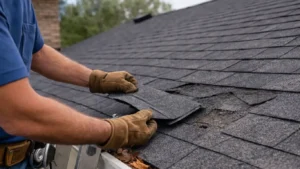
One of the most visible warning signs that a roof may need attention is missing or lifted shingles.
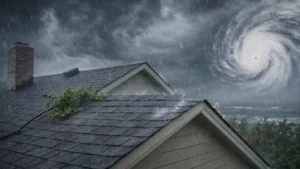
Halifax regularly experiences strong coastal winds, particularly during fall storms and winter weather events. Even new shingles can occasionally become loosened if winds are severe enough.
From the ground, missing shingles often appear as darker patches where the underlying roofing layer is exposed.
Lifted shingles may look slightly uneven or raised compared to the surrounding roof surface.
If you notice missing or lifted shingles, it’s a good idea to contact a roofing contractor for a quick inspection before water infiltration becomes possible.
Loose or Damaged Flashing
Flashing helps protect vulnerable areas of the roof where water is most likely to enter.
These areas typically include:
- Chimneys
- Roof valleys
- Skylights
- Vent pipes
- Roof-to-wall transitions
If flashing becomes loose or improperly sealed, water may eventually find its way beneath the roofing materials.
Signs of flashing issues can include visible gaps, lifting metal edges, or sealant that appears cracked or worn.
Because flashing problems can lead to leaks, they should be inspected and corrected promptly.
Granules Collecting in Gutters
Asphalt shingles contain protective mineral granules that help shield the roofing material from UV rays and weather exposure.
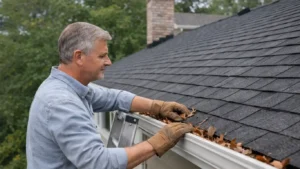
It is normal for a small number of granules to wash off during the first few months after installation. However, excessive granule accumulation in gutters may indicate premature wear.
During routine gutter cleaning, homeowners can check for large amounts of sand-like material collecting in the gutters or downspouts.
If granule loss appears excessive, a roofing contractor can inspect the shingles to ensure they are performing properly.
Water Stains Inside the Home
Interior water stains are one of the clearest signs that a roof may need attention.
Water stains may appear as:
- Discoloured spots on ceilings
- Peeling paint near rooflines
- Damp drywall or insulation
- Musty odours in the attic
Even a small stain can indicate that water has found a path into the home.
If you notice any signs of interior moisture, it’s important to have the roof inspected as soon as possible.
Debris Buildup in Roof Valleys
Roof valleys are areas where two roof slopes meet and naturally channel water toward the gutters.
Leaves, pine needles, and other debris can sometimes accumulate in these areas.
When debris buildup becomes significant, it can slow water drainage and increase the risk of moisture remaining on the roof surface.
Over time, trapped moisture may affect the underlying roofing materials.
Keeping roof valleys clear of debris helps maintain proper water flow across the roof.
Unusual Shingle Appearance
A new roof should appear uniform and evenly installed across the entire surface.
If shingles begin to appear uneven, buckled, or warped, it may indicate an issue that should be inspected.
Potential causes can include:
- Improper fastening
- Ventilation issues in the attic
- Storm-related wind lifting
While minor cosmetic variations can occur with any roofing material, significant irregularities should be evaluated by a professional contractor.
After-Storm Roof Checks
After major storms in Halifax, homeowners should perform a quick visual inspection of their roof from the ground.
Look for:
- Shingles on the ground around the home
- Debris impact from branches
- Visible roof sections that appear out of place
Even if no immediate issues are visible, it may still be worth scheduling a professional inspection after severe weather events.