Homes in Halifax and across Nova Scotia face some of the most demanding weather conditions in Canada. Located along the North Atlantic, our region regularly experiences powerful windstorms, heavy rain events, and the occasional hurricane making landfall along the coast.
These storms can place significant stress on residential roofing systems. Even well-built roofs must endure strong winds, wind-driven rain, sudden temperature changes, and flying debris during severe weather events.
While modern roofing systems are designed to withstand harsh conditions, understanding how coastal storms affect your roof can help homeowners identify damage early and protect their homes.
High Winds and Shingle Lift
One of the most common ways storms affect roofs in Halifax is through high winds.
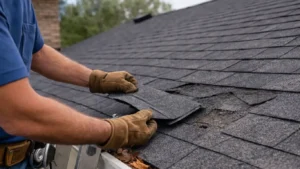
Strong gusts can create pressure that lifts the edges of shingles. Over time, repeated wind exposure can loosen shingles or break the adhesive seals that hold them in place.
When this happens, shingles may:
- Lift slightly away from the roof surface
- Become creased or bent
- Detach completely during stronger gusts
Once a shingle seal is broken, the surrounding shingles may become more vulnerable during future storms.
After major wind events, it’s a good idea to check your property for shingles that may have blown off the roof.
Wind-Driven Rain
Heavy rain alone usually does not cause roofing problems when shingles are properly installed. However, coastal storms often bring intense winds that drive rain sideways across the roof surface.
Wind-driven rain can force water into small openings around:
- Flashing
- Roof vents
- Chimneys
- Roof valleys
When roofing systems age or flashing becomes loose, these areas can become vulnerable during severe weather.
Proper installation and well-maintained flashing are critical for preventing leaks during these types of storms.
Debris Impact During Storms
Another major risk during North Atlantic storms is debris impact.
Strong winds can break branches or send loose objects airborne. When debris strikes the roof, it can damage shingles or puncture vulnerable areas of the roofing system.
Common storm-related debris damage includes:
- Cracked shingles
- Dented flashing
- Blocked roof valleys
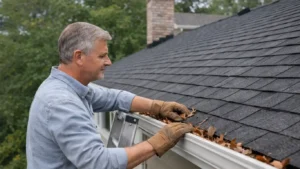
- Clogged gutters
Even small branches can scrape protective granules off shingles if they repeatedly rub against the roof during windy conditions.
Keeping nearby tree branches trimmed helps reduce the risk of debris damage.
Hurricanes and Tropical Storms
While Halifax does not experience hurricanes as frequently as more southern coastal regions, remnants of Atlantic hurricanes occasionally reach Nova Scotia.
When they do, they can bring intense rainfall and extremely strong winds.
Past storms have demonstrated how powerful these systems can be once they reach Atlantic Canada.
During hurricanes or post-tropical storms, roofs may face:
- Sustained high winds
- Sudden wind direction changes
- Heavy rainfall over extended periods
- Flying debris
Homes with aging roofing systems are especially vulnerable during these events.
Ensuring your roof is in good condition before storm season helps reduce the risk of storm-related damage.
Ice and Freeze-Thaw Cycles
North Atlantic weather also includes significant winter storms that can impact roofing systems.
Halifax frequently experiences freeze-thaw cycles where temperatures move above and below freezing over short periods.
These conditions can contribute to the formation of ice dams along roof edges.
Ice dams occur when melting snow refreezes near the eaves of the roof, preventing water from draining properly.
If water becomes trapped behind an ice dam, it may eventually work its way beneath the shingles.
Proper attic insulation and ventilation play an important role in reducing the likelihood of ice dams forming.
After-Storm Roof Inspections
After severe weather events, homeowners should perform a quick visual inspection of their property.
From the ground, look for:
- Shingles or roofing materials on the ground
- Branches or debris on the roof
- Visible damage to flashing or vents
- Loose siding or gutters near the roofline
If anything appears unusual, a professional roofing inspection can determine whether repairs are needed.
Addressing storm damage quickly helps prevent small problems from turning into larger repairs.