For many homeowners, roof replacement becomes a serious concern after storm damage or unexpected leaks. One of the first questions people ask is whether their home insurance policy will cover the cost of a new roof.
The answer depends on what caused the damage and what your specific insurance policy includes. While insurance can sometimes cover roof replacement, it typically only applies under certain conditions.
When Insurance Usually Covers Roof Damage
Most home insurance policies are designed to cover sudden and unexpected damage caused by external events. If your roof is damaged by something outside of your control, your insurance provider may cover part or all of the repair or replacement.
Common covered causes include:
- Windstorms or hurricanes
- Hail damage
- Falling trees or large branches
- Fire damage
- Severe weather events
In these situations, homeowners typically file an insurance claim and the insurance company will send an adjuster to inspect the roof.
When Insurance Usually Does NOT Cover Roof Replacement
Insurance companies generally do not cover damage caused by normal aging, wear and tear, or lack of maintenance.
This means insurance will typically not pay for roof replacement if:
- The roof has simply reached the end of its lifespan
- Shingles are deteriorating due to age
- Maintenance issues caused long-term leaks
- The roof was installed incorrectly years earlier
Insurance policies are designed to protect against sudden damage, not gradual deterioration over time.
How Roof Age Can Affect Insurance Claims
The age of your roof can play a major role in how insurance companies handle claims.
Some policies offer full replacement coverage for newer roofs but may switch to partial coverage once the roof reaches a certain age. In these cases, the insurance provider may only pay the depreciated value of the roof instead of the full replacement cost.
This is often referred to as Actual Cash Value (ACV) coverage rather than Replacement Cost Value (RCV).
The Role of the Insurance Adjuster
After a claim is filed, insurance companies usually send an adjuster to inspect the roof and determine whether the damage qualifies for coverage.
The adjuster evaluates factors such as:
- The cause of the damage
- The overall condition of the roof
- The age of the roofing materials
- Whether the damage was sudden or gradual
This inspection helps the insurance company decide whether the claim will be approved and how much coverage will apply.
Why Professional Roof Inspections Help
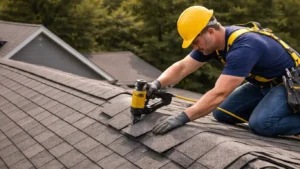
If you suspect storm damage, having a professional roofer inspect the roof before filing a claim can be helpful. Roofing contractors are trained to identify damage that may not be obvious from the ground.
A contractor can also provide documentation and photos that may assist during the insurance evaluation process.
Understanding Your Policy Matters
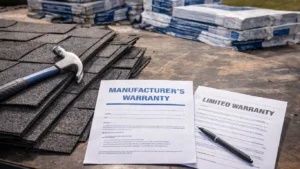
Every insurance policy is slightly different, so homeowners should review their coverage carefully to understand what is included and what limitations may apply.
If you are unsure about your coverage, your insurance provider or broker can help explain the details of your policy.
Insurance Can Help, But It Isn’t Guaranteed
Home insurance can sometimes significantly reduce the cost of roof repairs or replacement when damage is caused by a covered event.
However, it is important for homeowners to understand that insurance does not automatically cover every roofing issue. Knowing the difference between covered damage and normal aging can help you make better decisions if problems arise.