Modern roofing systems rely on several protective layers working together to keep water out of a home. While shingles provide the outer surface that sheds most rainfall, specialized waterproof membranes are installed beneath them to protect vulnerable areas of the roof.
One of the most important of these materials is ice and water shield.
Ice and water shield is a self-sealing waterproof membrane designed to prevent water from penetrating areas where roof leaks are most likely to occur. It is especially important in colder climates where snow, ice, and freeze–thaw cycles can create unique roofing challenges.
What Is Ice & Water Shield?
Ice and water shield is a rubberized asphalt membrane that is applied directly to the roof decking before shingles are installed. The underside of the membrane contains an adhesive layer that bonds tightly to the decking surface.
Once installed, it creates a waterproof barrier that prevents water from reaching the wooden structure of the roof.
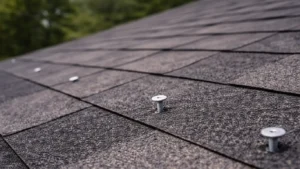
Unlike standard roofing underlayment, ice and water shield is designed to seal around roofing nails. This self-sealing property helps prevent water from entering through fastener holes.
Why Roofs Need Extra Waterproof Protection
Although shingles are designed to shed water, they are not completely waterproof. Under certain conditions, water can work its way beneath the outer roofing layer.
This can happen due to:
- Wind-driven rain
- Melting snow and ice
- Ice dams
- Heavy storms
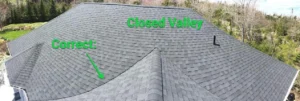
- Roof valleys where water concentrates
Ice and water shield provides a secondary defense that prevents this moisture from reaching the roof decking.
Where Ice & Water Shield Is Installed
Because ice and water shield is more specialized than standard underlayment, it is typically installed in areas where leaks are most likely to occur.
Common installation locations include:
- Roof edges and eaves
- Roof valleys
- Around chimneys
- Around skylights
- Around roof penetrations such as plumbing vents
- Low-slope roof sections
These areas are particularly vulnerable to water intrusion because they either collect large volumes of water or contain seams and roof penetrations.
Protection Against Ice Dams
One of the primary reasons ice and water shield is used in colder climates is to protect against ice dams.
Ice dams occur when snow on the roof melts and flows downward toward the eaves. If temperatures are colder at the roof edge, the water refreezes and forms a ridge of ice.
This ridge prevents melting snow from draining properly. As water builds up behind the ice dam, it can begin to work its way beneath the shingles.
Ice and water shield prevents that trapped water from penetrating the roof decking and entering the home.
How Ice & Water Shield Is Installed
During roof installation or replacement, the membrane is applied directly to the exposed roof decking.
The material is typically rolled out in sections and pressed firmly onto the decking surface. Because it contains a self-adhesive backing, it bonds tightly to the wood beneath it.
Roofing crews then install standard underlayment and shingles over top of the membrane.
This layered system ensures multiple levels of protection against moisture intrusion.
Benefits of Ice & Water Shield
Installing ice and water shield provides several advantages for homeowners.
Self-Sealing Protection
The membrane seals around roofing nails and fasteners, preventing water from entering through small penetrations.
Enhanced Leak Protection
It provides an additional waterproof layer in the most vulnerable parts of the roof.
Improved Durability
The rubberized material remains flexible even during extreme temperature changes, which helps maintain long-term performance.
Protection During Storms
During severe weather, the membrane acts as a secondary barrier if shingles become damaged or displaced.
Building Codes and Ice & Water Shield
In many regions with colder winters, such as here in Nova Scotia, building codes require ice and water shield to be installed along the roof edges.
This requirement helps reduce the risk of leaks caused by ice dams and snow accumulation.
Professional roofing companies like us follow these guidelines to ensure roofs are properly protected for local climate conditions.
How Ice & Water Shield Works With Other Roofing Layers
Ice and water shield is only one part of a complete roofing system.
Other components working together include:
- Roof decking
- Roof underlayment
- Flashing
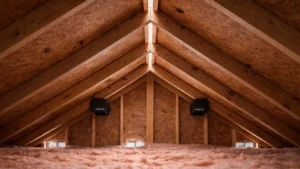
- Ventilation systems
- Shingles or other roofing materials
Each layer plays a specific role in protecting the home from water intrusion.
When properly installed together, these components create a durable roofing system capable of withstanding years of weather exposure.