Roof ventilation plays a critical role in protecting both your roof and the interior of your home. While shingles and underlayment are the most visible parts of a roof, the airflow system inside the attic is just as important to the long-term health of the roofing structure.
When a roof is properly ventilated, air moves continuously through the attic space. This airflow helps regulate temperature and remove excess moisture. When ventilation is poor or unbalanced, heat and humidity can become trapped in the attic, leading to a range of roofing problems over time.
Many homeowners are unaware of ventilation issues until they begin noticing symptoms such as unusually high attic temperatures, ice dams in winter, or premature roof aging.
How Roof Ventilation Works
A healthy roof ventilation system allows air to move through the attic in a controlled way. Most systems use a combination of intake vents and exhaust vents.
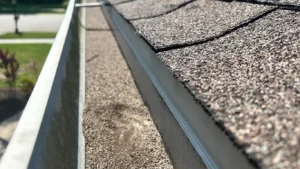
Intake vents are typically installed along the lower edge of the roof, often in the soffits beneath the eaves. These vents allow cooler outside air to enter the attic.
Exhaust vents are installed near the peak of the roof, such as ridge vents or roof vents. These vents allow warm air and moisture to escape from the attic.
This continuous airflow cycle helps keep attic temperatures closer to outdoor conditions and prevents moisture buildup inside the roofing system.
Common Types of Roof Ventilation
Ridge Vents
Ridge vents run along the peak of the roof and allow warm air to escape naturally. Because heat rises, ridge vents are one of the most effective ways to remove warm air from the attic.
Soffit Vents
Soffit vents are located under the eaves of the roof and allow fresh air to enter the attic. They work together with ridge vents to create continuous airflow through the attic space.
Static Roof Vents
Static vents are individual vents installed near the upper portion of the roof. These vents allow warm air to escape but may not provide the same consistent airflow as ridge vent systems.
Powered Attic Fans
Some homes use electrically powered attic fans to help remove hot air from the attic. While these systems can be effective in certain situations, they need to be properly balanced with intake ventilation to work efficiently.
Problems Caused by Poor Roof Ventilation
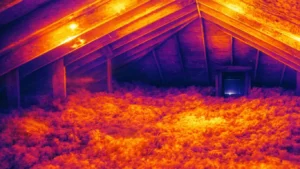
When attic ventilation is inadequate or improperly balanced, heat and moisture can accumulate beneath the roof deck. Over time, this can lead to several roofing and home performance issues.
Excessive Attic Heat
During summer months, attic temperatures can rise dramatically if ventilation is insufficient. In some homes, attic temperatures can exceed 60°C (140°F).
Extreme heat can accelerate the aging process of asphalt shingles and cause roofing materials to deteriorate faster than expected.
Ice Dams in Winter
Poor ventilation can also contribute to ice dam formation during winter. When heat becomes trapped in the attic, it warms the roof deck and melts snow on the roof surface.
As the melted snow flows toward the colder roof edges, it refreezes and forms an ice dam that can trap water on the roof.
Moisture and Condensation
Household activities such as cooking, showering, and laundry produce moisture that can rise into the attic. Without proper ventilation, this moisture may condense on the underside of the roof deck.
Over time, this can lead to mold growth, wood rot, and deterioration of roof decking materials.
Insulation Damage
When moisture accumulates in the attic, it can soak into insulation materials. Wet insulation loses much of its ability to regulate indoor temperatures.
This can lead to higher heating and cooling costs and reduced comfort inside the home.
Premature Roof Aging
One of the most common long-term effects of poor ventilation is shortened roof lifespan. Excessive heat and moisture can weaken shingles, causing them to curl, crack, or lose protective granules earlier than expected.
This can lead to roofing repairs or replacement years sooner than anticipated.
Signs of Poor Roof Ventilation
While ventilation problems are not always visible from the outside, homeowners may notice several warning signs.
- Excessively hot attic temperatures during summer
- Ice dams forming along roof edges in winter
- Musty smells or condensation in the attic
- Mold or mildew on roof decking
- Uneven snow melt patterns on the roof
- Shingles aging prematurely
If these signs are present, it may indicate that the attic ventilation system needs to be evaluated.
How Roofers Improve Ventilation
Improving roof ventilation often involves balancing intake and exhaust airflow throughout the attic space.
Common solutions include installing additional soffit vents, upgrading ridge vents, or correcting blocked ventilation pathways inside the attic.
In some homes, insulation adjustments may also be necessary to prevent airflow from being restricted.
Why Ventilation Is Often Addressed During Roof Replacement
Roof replacement projects provide an opportunity to improve ventilation systems. When shingles are removed, contractors can evaluate the condition of vents, decking, and attic airflow.
If ventilation problems exist, they can often be corrected at the same time new roofing materials are installed.