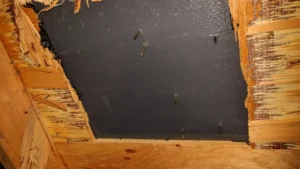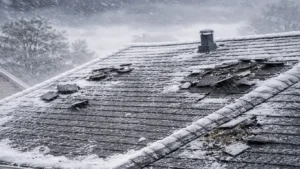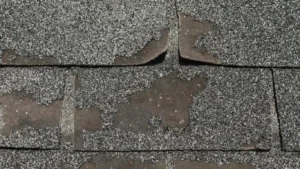
Most homeowners think of shingles when they think about their roof, but beneath the shingles is another critical component that supports the entire roofing system: the roof decking. Roof decking is the structural layer that sits on top of the rafters and provides the surface that shingles and other roofing materials attach to.
When moisture enters the roofing system, the decking is often the first structural component to suffer damage. Over time, this can lead to wood rot, soft spots in the roof, and even structural issues if the damage becomes severe. Understanding how roof rot and decking damage occur can help homeowners recognize problems early and prevent more serious repairs.
What Is Roof Decking?
Roof decking (sometimes called roof sheathing) is typically made from plywood or oriented strand board (OSB). These panels are installed across the roof framing and create a solid surface that supports the rest of the roofing system.
The decking performs several important functions:
- Provides structural support for roofing materials
- Distributes weight from snow and weather loads
- Creates a stable surface for underlayment and shingles
- Helps maintain the overall integrity of the roof structure
When the decking is in good condition, it forms a strong base that allows the roofing system to perform as designed.
What Causes Roof Decking to Rot?
Roof rot usually occurs when moisture repeatedly reaches the decking layer. Wood-based materials can tolerate small amounts of moisture, but prolonged exposure can eventually lead to deterioration.
Several roofing problems can allow water to reach the decking.
Roof Leaks
One of the most common causes of decking rot is an ongoing roof leak. Water that seeps beneath shingles can gradually soak into the decking over time.
Because this process often happens slowly, the damage may continue for months or even years before it becomes noticeable.
Poor Ventilation
Improper attic ventilation can trap warm, moist air beneath the roof deck. Over time, this moisture can condense on the underside of the decking and create damp conditions that allow rot to develop.
Ventilation systems are designed to allow airflow through the attic and help regulate moisture levels inside the roof structure.
Ice Dams
Ice dams can force melting snow beneath shingles during winter months. When this water reaches the decking, it can saturate the wood and contribute to long-term deterioration.
Repeated freeze-thaw cycles can make the damage worse over time.
Improper Installation
In some cases, decking damage can occur when roofing materials were installed improperly. Missing underlayment, poorly installed flashing, or incorrectly sealed roof penetrations can allow moisture to enter the roofing system.
Once water finds a path beneath the shingles, it may eventually reach the decking layer.
Signs of Roof Decking Damage
Because roof decking sits beneath the shingles, damage is not always easy to see from the outside. However, several warning signs may indicate that the decking has begun to deteriorate.
- Soft or spongy areas on the roof surface
- Sagging sections of the roofline
- Persistent roof leaks
- Water stains in the attic
- Mold or mildew odors in attic spaces
In many cases, decking damage is discovered during roof inspections or while replacing roofing materials.
Why Decking Damage Is a Serious Issue
Roof decking plays a structural role in the roofing system. If it becomes weakened by rot, it may no longer be able to properly support shingles, underlayment, and other roofing materials.
Severely damaged decking can create several risks:
- Reduced structural stability of the roof
- Increased likelihood of leaks
- Poor attachment for new roofing materials
- Potential sagging or uneven roof surfaces
For these reasons, damaged decking typically needs to be repaired or replaced before new roofing materials are installed.
How Roof Decking Is Repaired
The repair process depends on the extent of the damage. In many cases, only the affected sections of decking need to be removed and replaced.
During roof replacement projects, contractors often inspect the decking after removing the old shingles. If soft or rotted areas are found, those sections are cut out and replaced with new panels before the new roofing system is installed.
This ensures the roof has a solid foundation before new materials are applied.
How to Prevent Roof Rot
Preventing roof rot largely involves preventing moisture from reaching the decking layer.
Homeowners can reduce the risk of decking damage by:
- Repairing roof leaks promptly
- Maintaining proper attic ventilation
- Ensuring gutters and drainage systems function properly
- Addressing ice dam issues during winter
- Scheduling periodic roof inspections
Taking care of small roofing problems early can help prevent moisture from reaching the structural components of the roof.