A roof leak is one of the most stressful problems a homeowner can face. Water entering the home can damage ceilings, insulation, and structural materials, often long before the source of the leak becomes obvious.
What surprises many homeowners is that roof leaks rarely begin with a dramatic failure. In most cases, they start as small vulnerabilities in the roofing system that slowly allow moisture to penetrate over time. Understanding the different types of roof leaks and what causes them can help homeowners identify problems early and prevent more extensive damage.
Why Roof Leaks Often Go Undetected
Roof leaks can be difficult to locate because water rarely travels straight down once it enters the roofing system. Moisture can follow beams, insulation, and other structural components before finally appearing inside the home.
As a result, the visible sign of a leak—such as a ceiling stain—may appear several feet away from the actual point where water entered the roof.
This is one reason why professional inspections are often needed to identify the true source of a leak.
Common Types of Roof Leaks
Roof leaks can develop in several areas of the roofing system. While every roof is different, certain locations are more vulnerable to moisture intrusion.
1. Flashing Leaks
Flashing is the thin metal material installed around roof penetrations and transitions. It helps seal areas where the roof meets chimneys, vents, skylights, and walls.
If flashing becomes loose, corroded, or improperly installed, water can slip beneath it and enter the roofing system. Because flashing protects some of the most complex areas of the roof, leaks in these locations are fairly common.
2. Shingle Damage Leaks
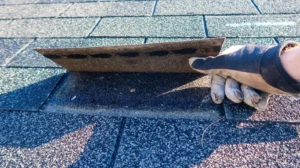
Asphalt shingles act as the primary protective layer of the roof. When shingles crack, curl, or blow off during storms, the underlying layers of the roof may become exposed to rain and melting snow.
Even small areas of missing or damaged shingles can allow moisture to gradually penetrate the roofing system, especially during heavy storms.
3. Roof Valley Leaks
Roof valleys are the areas where two roof slopes meet and form a channel that directs water toward the gutters. Because valleys handle large volumes of water runoff, they must be properly sealed and protected.
If valley flashing or shingles become damaged, water can pool or flow beneath the roofing materials, leading to leaks.
An improperly installed valley, such as using the racking technique, also makes your roof more prone to leaking.
4. Vent and Pipe Boot Leaks
Many roofs contain plumbing vents and other pipes that extend through the roofing surface. These penetrations are typically sealed using rubber or metal boots.
Over time, these seals can crack, dry out, or deteriorate due to weather exposure. When that happens, water can enter around the pipe opening.
5. Ice Dam Leaks
In colder climates, ice dams can create another source of roof leaks. Ice dams form when melting snow refreezes along the edge of the roof, creating a barrier that prevents water from draining properly.
When water backs up behind the ice dam, it can seep beneath shingles and into the roof structure.
How Roof Leaks Typically Begin
Roof leaks rarely start suddenly. Instead, they usually develop gradually as roofing materials age or become damaged.
Some of the most common conditions that allow leaks to develop include:
- Storm damage from wind or falling debris
- Aging roofing materials that have become brittle
- Deteriorating flashing around penetrations
- Improper installation during previous roofing work
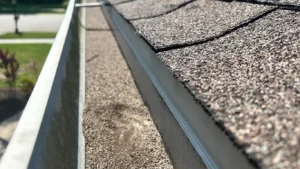
- Clogged gutters that cause water to back up onto the roof
These small vulnerabilities can allow moisture to enter the roof system during heavy rain or snowmelt.
Early Signs of a Roof Leak
In many cases, homeowners first notice a roof leak through interior warning signs. These can appear gradually and may not always be obvious at first.
Some early indicators of a roof leak include:
- Brown or yellow stains on ceilings
- Peeling paint near rooflines
- Damp or compressed attic insulation
- A musty smell in attic spaces
- Water dripping during heavy rain
If any of these signs appear, it’s important to investigate the source of the moisture as soon as possible.
Why Quick Repairs Matter
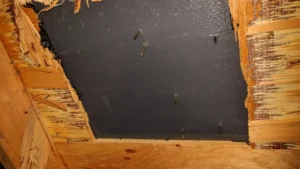
Once water enters a roofing system, it can quickly spread to other parts of the home. Moisture trapped in wood framing or insulation can promote mold growth and weaken structural materials.
Addressing roof leaks early often prevents much larger repairs later. In many cases, fixing a flashing issue or replacing a small section of damaged shingles can stop a leak before interior damage occurs.
When to Call a Roofing Professional
If you suspect your roof may be leaking, a professional inspection is usually the best next step. Roofing contractors can safely evaluate the condition of shingles, flashing, and other roof components to locate the source of the problem.
They can also determine whether the leak can be repaired or if larger sections of the roof may need attention.