Replacing a roof is a major home project, and it’s understandable that many homeowners try to postpone it for as long as possible. If the roof isn’t actively leaking or showing obvious damage, delaying replacement can seem like a reasonable way to avoid a large expense.
However, roofing systems rarely fail all at once. Most problems develop gradually as materials age and weather exposure takes its toll. Waiting too long to replace a roof can allow minor issues to grow into larger structural problems that are far more expensive to fix.
Understanding what can happen when roof replacement is delayed can help homeowners make more informed decisions about protecting their homes.
Small Problems Can Turn Into Major Damage
One of the biggest risks of delaying roof replacement is that small issues often expand over time. Roofing materials naturally degrade as they age, especially when exposed to sun, wind, rain, and temperature fluctuations.
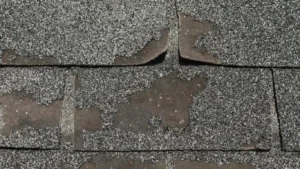
What might start as a few worn shingles or minor flashing deterioration can eventually allow water to enter the roof system. Once moisture reaches the underlying layers of the roof, it can begin damaging the roof deck, insulation, and surrounding structural components.
Because roofs are designed as layered systems, damage in one area can gradually spread to other parts of the structure if it isn’t addressed.
Interior Water Damage Becomes More Likely
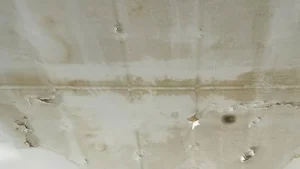
As roofing materials deteriorate, the likelihood of leaks increases. Even small leaks can cause significant problems inside the home if they persist long enough.
Water intrusion can lead to:
- Ceiling stains and drywall damage
- Warped wood framing
- Damaged attic insulation
- Mold and mildew growth
- Electrical hazards in severe cases
Interior repairs can quickly add thousands of dollars to the overall cost of a delayed roof replacement.
Structural Components May Begin to Deteriorate
When moisture enters the roofing system, it can gradually weaken the structural elements that support the roof. The roof deck—typically made from plywood or oriented strand board—can begin to rot if it remains wet for extended periods.
If structural damage progresses far enough, sections of the roof may begin to sag or feel soft underfoot during inspections. At that point, replacing shingles alone may no longer be sufficient, and additional structural repairs could be required.
These types of repairs can significantly increase the overall cost of the project compared to replacing the roof before structural damage occurs.
Energy Efficiency May Decline
An aging roof can also affect the overall energy performance of a home. As roofing materials deteriorate, gaps and ventilation issues may allow outside air to enter attic spaces more easily.
This can make it harder for the home’s insulation to regulate indoor temperatures, which may lead to increased heating and cooling costs. While roofing systems are not the only factor affecting energy efficiency, maintaining a well-functioning roof helps preserve the integrity of the building envelope.
Weather Damage Becomes a Greater Risk
Older roofs are more vulnerable during storms. Wind, hail, and heavy precipitation can cause far more damage to roofing materials that are already weakened by age.
Shingles that have become brittle or loose may be more likely to break or detach during high winds. Once portions of the roof become exposed, water intrusion can occur rapidly during rainstorms.
By replacing a roof before it reaches this vulnerable stage, homeowners can reduce the risk of sudden storm-related failures.
Insurance Complications May Arise
Insurance policies often consider the age and condition of a roof when evaluating coverage for storm damage or leaks. If a roof is already well past its expected lifespan, insurers may limit coverage or deny claims related to roof deterioration.
In some cases, insurance companies may require proof that a roof has been maintained or replaced within a certain timeframe. While policies vary widely, delaying replacement too long can complicate the claims process if damage occurs.
Emergency Repairs Are Often More Expensive
When roofs fail unexpectedly, repairs usually need to happen quickly to prevent further damage. Emergency roofing work can be more expensive due to urgent scheduling, temporary repairs, and additional interior restoration work.
Planning a roof replacement in advance typically allows homeowners to schedule the project during optimal weather conditions and avoid the stress of emergency repairs during severe weather.
Planning Ahead Provides More Options
Replacing a roof before it fails completely gives homeowners time to evaluate different materials, compare contractors, and plan financially for the project. When replacement becomes urgent, decisions often need to be made quickly, which can limit options.
Scheduling replacement proactively also allows the project to be completed under controlled conditions rather than during emergency situations.