Most homeowners rarely think about their roof until a problem appears. Unfortunately, by the time a leak shows up on the ceiling or shingles start falling off, the issue may already be advanced. That’s why roof inspections are one of the most valuable—and often overlooked—parts of home maintenance.
A professional roof inspection can identify early signs of wear, storm damage, and structural issues long before they turn into expensive repairs. But many homeowners aren’t sure when an inspection is necessary or what the process actually involves.
If you’re wondering whether it’s worth scheduling one, understanding when roof inspections are most useful can help you make the right decision.
What Is a Roof Inspection?
A roof inspection is a professional assessment of your roofing system to determine its condition, identify potential issues, and estimate its remaining lifespan.
During an inspection, a roofing professional evaluates several key components, including:
- Shingle condition and wear
- Flashing around chimneys, vents, and skylights
- Roof decking and structural integrity
- Ventilation and airflow in the attic
- Gutters and drainage systems
- Signs of water intrusion or moisture damage
The goal is to identify developing problems early so homeowners can address them before they lead to larger structural or interior damage.
When You Should Consider a Roof Inspection
While roofs don’t need constant monitoring, there are several situations where an inspection can be especially valuable.
1. After a Major Storm
High winds, hail, and heavy snowfall can all damage roofing materials. Even if the roof appears intact from the ground, shingles may have loosened or flashing may have shifted.
Storm damage isn’t always immediately visible, and small problems can worsen over time if they go unnoticed. A post-storm inspection can confirm whether your roof is still performing as it should.
2. When Buying or Selling a Home
Roof condition plays a significant role in a home’s value and can influence negotiations during real estate transactions. A roof inspection can provide buyers with clarity about the roof’s remaining lifespan and whether any repairs may be required in the near future.
For sellers, having documentation about the roof’s condition can also help build trust with potential buyers.
3. If Your Roof Is Over 15 Years Old
As roofing materials age, they become more vulnerable to weather and environmental stress. If your roof is more than 15 years old, periodic inspections can help monitor its condition and provide early warning signs of deterioration.
Regular inspections during this stage can also help homeowners plan ahead for eventual replacement instead of dealing with unexpected failures.
4. If You Notice Interior Warning Signs
Sometimes the first sign of roofing problems appears inside the home rather than on the roof itself. Stains on ceilings, peeling paint near rooflines, or damp attic insulation can all suggest that moisture is entering through the roof.
An inspection can help determine whether the roof is the source of the issue or if the problem lies elsewhere in the home’s structure.
What Happens During a Roof Inspection?
While inspection methods can vary slightly between contractors, most professional inspections follow a similar process.
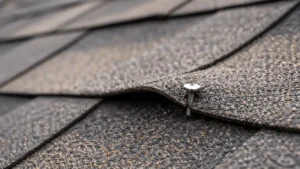
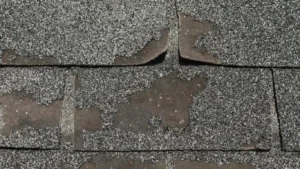
The contractor will typically begin with a visual assessment of the roof’s surface, looking for damaged or aging shingles, exposed fasteners, and areas where water could potentially enter.
They may also inspect:
- Roof valleys where water runoff is concentrated
- Flashing around roof penetrations
- Ridge caps and edges of the roof
- Gutters and drainage points
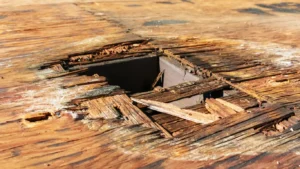
If attic access is available, they may also examine the underside of the roof deck for signs of moisture, mold, or structural weakening.
Can You Inspect Your Own Roof?
Homeowners can perform basic visual checks from the ground or by safely observing the roofline. For example, you may be able to spot missing shingles, sagging areas, or debris buildup in gutters.
However, climbing onto a roof can be dangerous without the proper equipment and experience. Roofing professionals are trained to navigate steep surfaces safely and know what warning signs to look for.
For that reason, it’s usually best to leave full inspections to qualified professionals.
How Often Should Roof Inspections Be Done?
Most experts recommend having a professional roof inspection every few years, especially once the roof reaches the midpoint of its expected lifespan.
In addition, inspections are often recommended after severe weather events or before listing a home for sale.
Regular inspections allow homeowners to stay ahead of developing problems rather than discovering them only after significant damage has occurred.
The Value of Early Detection
One of the biggest advantages of roof inspections is the ability to detect small issues early. A minor flashing problem or a handful of damaged shingles may be easy to repair today, but if left unaddressed, those same issues could lead to leaks, structural damage, and costly interior repairs.
Preventative maintenance is typically far less expensive than emergency roof work caused by long-term neglect.