Asphalt shingles are the most common roofing material used on homes across North America. They’re popular because they offer a balance of affordability, durability, and relatively straightforward installation. But one of the most common questions homeowners ask is simple: how long does an asphalt shingle roof actually last?
The answer depends on several factors, including the type of shingles used, the quality of installation, and the climate your roof is exposed to over time. While many shingles come with warranties claiming 25, 30, or even 50 years, the real-world lifespan of a roof can vary significantly.
Understanding what influences roof longevity can help homeowners plan for maintenance, inspections, and eventual replacement.
The Typical Lifespan of Asphalt Shingle Roofs
Most asphalt shingle roofs last somewhere between 20 and 30 years under normal conditions. However, this range can shift depending on the quality of materials and environmental exposure.
Here’s a general guideline for common shingle types:
- 3-Tab Asphalt Shingles: 15–25 years
- Architectural (Dimensional) Shingles: 25–30 years
- Premium or Luxury Shingles: 30–40 years
While these estimates provide a rough timeline, many roofs reach the lower end of the range due to weather, ventilation problems, or installation issues.
Why Manufacturer Warranties Can Be Misleading
It’s common to see asphalt shingles marketed with 30-year or even “lifetime” warranties. However, these warranties typically refer to the durability of the product itself under ideal conditions rather than the expected lifespan of the entire roofing system.
Several factors can reduce the effective lifespan of a roof, including:
- Improper installation
- Poor attic ventilation
- Extreme weather exposure
- Insufficient maintenance
- Ice dam formation in colder climates
Because a roof is a system made up of multiple components—shingles, underlayment, flashing, decking, and ventilation—the performance of each element affects the overall longevity.
Climate Plays a Major Role
Roofs in regions with harsh winters, heavy snowfall, or frequent storms tend to experience more wear over time. Freeze-thaw cycles, wind-driven rain, and ice accumulation can gradually weaken roofing materials.
Temperature fluctuations can also cause shingles to expand and contract repeatedly, which can accelerate aging and cause cracking or curling.
In colder climates, proper attic insulation and ventilation become especially important because they help regulate roof temperatures and reduce the likelihood of ice dams forming along the roof edge.
Installation Quality Matters More Than Many Homeowners Realize
Even the best roofing materials won’t perform well if they aren’t installed properly. A roof installed with improper nail placement, poor flashing work, or insufficient ventilation can experience problems years earlier than expected.
Some common installation issues that shorten roof lifespan include:
- Improperly fastened shingles
- Incorrect shingle alignment
- Poorly installed flashing around vents and chimneys
- Insufficient ventilation in the attic space
Because roofing systems work together as a complete structure, mistakes during installation can allow moisture to enter or cause materials to deteriorate faster.
Ventilation Is One of the Most Overlooked Factors
Attic ventilation plays a critical role in the longevity of asphalt shingle roofs. Without proper airflow, heat and moisture can become trapped beneath the roof deck.
In summer, excessive attic heat can cause shingles to age prematurely. In winter, warm air rising into the attic can melt snow unevenly, increasing the risk of ice dams along the roof edge.
A balanced ventilation system typically includes both intake vents (such as soffit vents) and exhaust vents (like ridge vents) to allow consistent airflow through the attic.
Maintenance and Inspections Extend Roof Life
While roofs are designed to be relatively low maintenance, periodic inspections can help identify small issues before they become major problems.
Homeowners should consider checking their roof after major storms and scheduling professional inspections every few years. Early detection of issues like damaged flashing, lifted shingles, or clogged gutters can prevent moisture intrusion and structural damage.
Keeping gutters clean is another simple way to protect your roof. Proper drainage prevents water from pooling along the roof edge and reduces the likelihood of ice buildup in winter.
Signs Your Roof May Be Near the End of Its Life
Even if a roof hasn’t reached the upper end of its expected lifespan, certain warning signs may indicate that replacement is approaching.
Common indicators include:
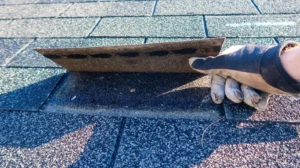
- Widespread shingle curling or cracking
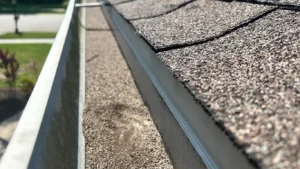
- Granules accumulating in gutters
- Frequent leaks or water stains indoors
- Missing shingles after storms
- Uneven roof lines or sagging areas
When these signs appear across multiple areas of the roof, repairs may no longer be the most effective long-term solution.
Planning Ahead for Roof Replacement
Because roof replacement is a significant home investment, understanding the approximate lifespan of your roof can help you prepare financially and avoid unexpected emergencies.
If your asphalt shingle roof is approaching the 20–25 year range, scheduling a professional inspection can provide valuable insight into its remaining condition. A roofing professional can evaluate the system and explain whether maintenance, repairs, or replacement is the most appropriate next step.