Your roof is one of the most important systems protecting your home, but it’s also one of the easiest parts of the house to overlook. Because most homeowners rarely see their roof up close, problems can develop gradually without obvious warning signs. By the time a leak appears inside your home, the damage is often already significant.
Knowing the early indicators of roof failure can help you avoid costly repairs and prevent interior damage. While every roofing system ages differently depending on materials, installation quality, and weather exposure, there are several clear signs that your roof may be approaching the end of its life.
Below are some of the most common ways to tell if it may be time to consider replacing your roof.
Your Roof Is Near the End of Its Expected Lifespan
The age of your roof is one of the most reliable indicators of when roof replacement may be needed. Most asphalt shingle roofs are designed to last between 20 and 30 years under typical conditions. However, factors like harsh winters, heavy wind, poor attic ventilation, and improper installation can shorten that lifespan.
If your roof is approaching the 20–25 year mark, it’s wise to begin monitoring it more closely for signs of deterioration. Even if no major issues are visible yet, aging materials can become brittle and less effective at protecting your home.
If you recently purchased your home and aren’t sure when the roof was installed, reviewing home inspection reports, building permits, or previous contractor invoices may help determine its age.
Shingles Are Curling or Buckling
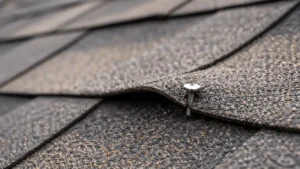
Shingles should lie flat against the roof surface. When they begin curling upward at the edges or buckling in the middle, it usually means the material is deteriorating.
Curling shingles can allow wind-driven rain and moisture to penetrate beneath the roof surface. Once that happens, the underlying layers may start to weaken as well.
Common causes of curling shingles include:
- Natural aging of the roofing material
- Poor attic ventilation causing heat buildup
- Moisture trapped beneath the shingles
- Manufacturing defects
If curling is widespread across multiple areas of the roof, replacement is often the most practical long-term solution.
Missing or Damaged Shingles
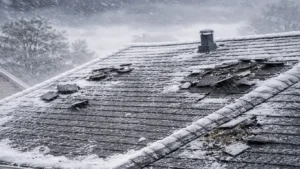
After strong windstorms or severe weather, shingles can loosen or blow off entirely. While a few missing shingles can sometimes be repaired, repeated shingle loss may indicate deeper structural wear.
When shingles are missing, the protective barrier of the roof becomes compromised. The exposed sections of roofing underlayment can quickly deteriorate when subjected to sun, rain, and fluctuating temperatures.
If you notice multiple areas with missing shingles, or if repairs seem to be needed every year, it may signal that the roof system is no longer holding up as intended.
Granules Are Collecting in Your Gutters
Asphalt shingles contain protective mineral granules that shield the material from ultraviolet radiation and weather exposure. Over time, these granules gradually loosen and wash away.
A small amount of granule loss is normal as a roof ages, but large amounts accumulating in gutters or downspouts can indicate advanced wear.
Excessive granule loss can leave shingles vulnerable to cracking, drying out, and breaking apart. If your gutters contain significant amounts of black or sand-like debris, it may be time to have the roof inspected.
You Notice Water Stains or Leaks Inside Your Home
Interior water damage is often the most obvious sign of roofing failure. Brown stains on ceilings, peeling paint near rooflines, or damp attic insulation may all indicate that water is entering your home through the roof.
Even small leaks can quickly escalate into larger problems. Moisture trapped within walls or attic spaces can lead to mold growth, wood rot, and insulation damage.
If you notice any signs of interior water intrusion, it’s important to investigate the source as soon as possible. While some leaks can be repaired, widespread moisture damage often indicates that the roof system has reached the end of its service life.
The Roof Looks Uneven or Sagging
A healthy roof should appear straight and uniform when viewed from the ground. If sections of the roofline appear sagging, dipping, or uneven, it could signal structural issues beneath the surface.
Sagging can occur when moisture has weakened the roof deck or when long-term weight from snow and ice has compromised structural components.
This type of issue should be evaluated by a roofing professional as soon as possible, as it may affect both the roof and the underlying framing of the home.
Moss or Algae Growth Is Spreading
Moss and algae growth are common in areas that retain moisture and receive limited sunlight. While algae staining is mostly cosmetic, moss can create more serious problems.
Moss traps moisture against the roof surface and can slowly lift shingles as it grows. Over time, this moisture retention can accelerate material breakdown and lead to leaks.
Small patches of moss can sometimes be cleaned safely, but heavy growth across large areas may indicate that the roofing system is retaining moisture and deteriorating.
Neighbours Are Replacing Their Roofs
Homes built in the same neighbourhood are often constructed around the same time using similar materials. If several nearby houses are replacing their roofs, it may indicate that many of the roofs in the area are reaching the end of their lifespan.
While every home experiences different conditions, this can be a helpful reminder to inspect your own roof if it hasn’t been evaluated in several years.
When to Schedule a Professional Roof Inspection
If you notice any of the warning signs above, the next step is to have your roof professionally inspected. A roofing contractor can safely evaluate the condition of the shingles, flashing, ventilation, and roof decking to determine whether repairs are possible or if replacement is the better option.
Regular inspections can help identify problems early and give homeowners time to plan for future roof replacement rather than dealing with unexpected emergencies.